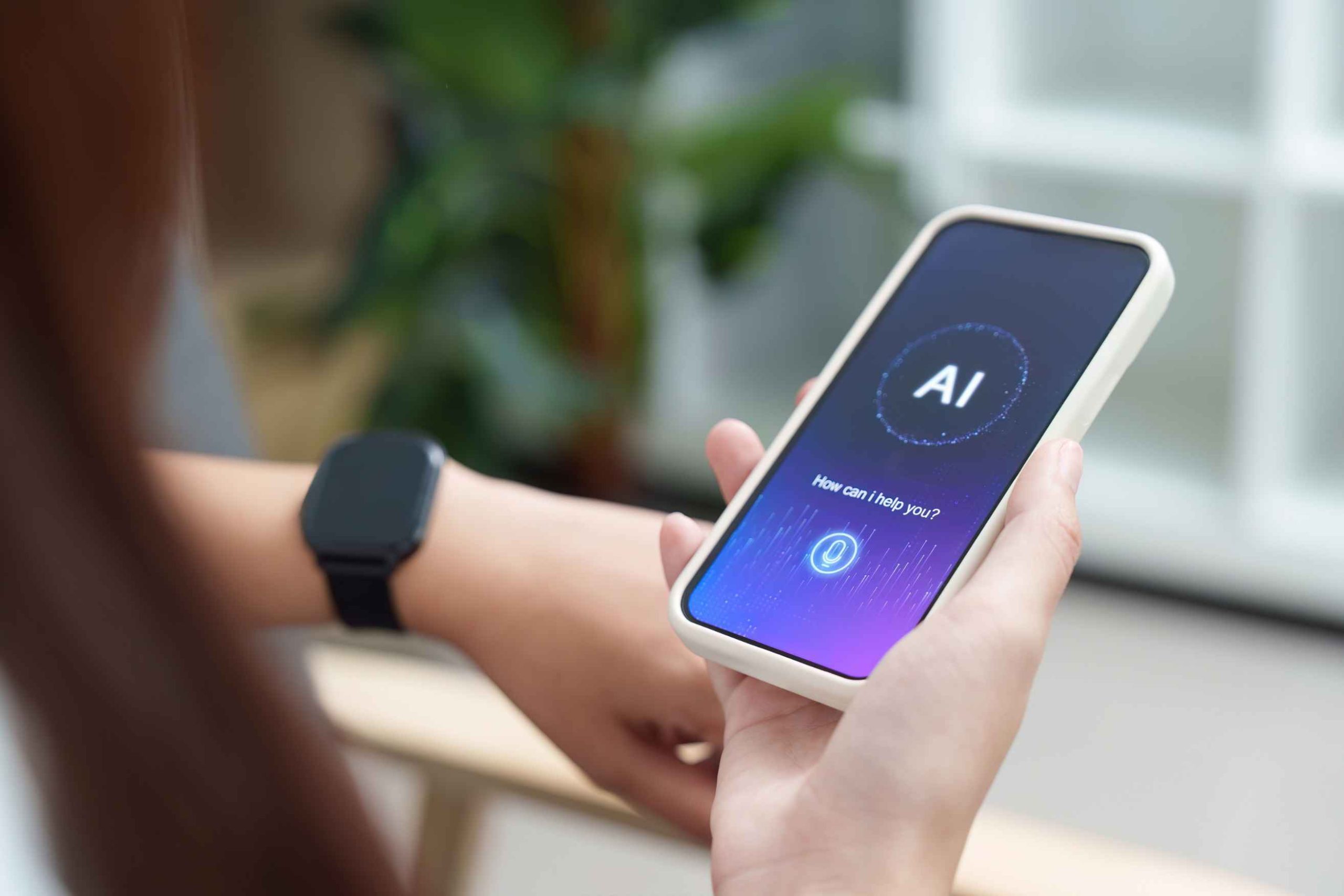




An AI receptionist is a software system that answers business phone calls automatically, using natural conversation instead of a menu of pre-recorded options. It identifies why the caller is getting in touch, answers routine questions from a script built around the business, and can book appointments directly into a calendar without a person involved. It runs continuously, so calls get answered during office hours and outside them.
How does an AI receptionist actually work?
It combines speech recognition with a conversational script configured around a specific business. When a call comes in, the system listens to what the caller says, works out the intent behind it, such as booking an appointment or asking a common question, and responds in natural language. It is connected to the business’s calendar, CRM or practice management software, so an action like booking an appointment happens directly, not as a message for someone to action later. Anything the system cannot handle confidently gets escalated to a human, usually by message or transfer, rather than guessed at.
What can an AI receptionist do?
Answer incoming calls and hold a natural conversation rather than reading a menu. Take detailed messages when a human genuinely needs to call back. Answer common questions from a script built around the business. Book, move or confirm appointments directly in a connected calendar. Recognise a returning caller where the integration supports it. Escalate anything unusual to a person, with the context already captured.
Can an AI receptionist book appointments?
Yes. Once configured against a business’s calendar or booking software, it checks real availability during the call and confirms the appointment directly, without a back and forth of emails or a message left for someone to action. This is one of the main differences between an AI receptionist and a basic call answering service, which typically takes a message rather than completing the booking itself.
What an AI receptionist cannot do
It does not give professional advice, it is not a substitute for a conversation with an accountant, solicitor or advisor, and it does not make judgement calls on genuinely unusual situations. A well configured system recognises the edge of what it should handle and hands the call to a person rather than attempting to answer beyond its script. That handover, done cleanly, matters more to how well it works than any other single factor.
AI receptionist versus a phone menu (IVR)
A traditional phone menu asks a caller to press a number for a department and offers no real conversation. An AI receptionist listens to what the caller actually says, in their own words, and responds accordingly, closer to speaking with a person than navigating a menu. It also completes the task, such as booking an appointment, rather than routing the caller somewhere else to complete it.
Frequently Asked Questions
An AI receptionist is a software system that answers business phone calls automatically, using natural conversation rather than a menu of pre-recorded options. It can take messages, answer common questions, and book appointments directly, running continuously so calls get answered both during and outside office hours.
It uses speech recognition to understand what a caller says, works out the intent behind the call, and responds using a script configured around the business. It is connected to the business's calendar or software, so actions like booking an appointment happen directly during the call, and anything it cannot handle gets escalated to a person.
Yes. It checks real availability in a connected calendar during the call and confirms the appointment directly, rather than taking a message for someone to action later. This requires the AI receptionist to be integrated with the business's calendar or booking software as part of its configuration.
No. A chatbot typically handles text based conversation on a website, while an AI receptionist answers phone calls. Many businesses run both together, our AI live chat service is configured to pair with an AI receptionist so a client gets the same standard of response whether they call or message.
It takes on the repetitive first contact work, answering every call, message taking, appointment booking, particularly outside office hours. It does not replace a person's judgement on an unusual call, which is why a well configured system escalates those to a human rather than attempting to handle them.
The AI receptionist identifies itself clearly at the start of the call, in line with good practice for automated systems. Most callers are more focused on getting an accurate, fast answer than on who or what is providing it.
Pricing depends on call volume and which systems it needs to connect to. Our AI receptionist cost guide breaks down UK pricing by tier.